Table of Contents
2.Getting Started on the Platform
3.Finding Suppliers You Can Trust
5.Placing the Order and Paying Safely
8 FAQs
1.What’s the easiest way to learn how to buy from Alibaba if you’ve never done it?
2. Can I buy just a few pieces?
3. Do I need an agent in China?
4. Who pays customs duty?
1.Introduction
Say you spot a phone stand on Alibaba for 80 cents, and it goes for 700 rupees in your local market. Of course you’re tempted. Then the questions start piling up. Is this company even real? Will the thing look like the photo? And if you send the money and nobody replies, who do you complain to? Fair questions, all of them. That’s why anyone figuring out how to buy from alibaba needs a plan before a payment, and the rest of this post is that plan, from signing up to the carton landing in Pakistan.
2.Getting Started on the Platform
Before you message a single supplier, spend ten minutes sorting out your side of the screen. A tidy account and a few smart filters will save you hours of scrolling past listings that were never going to work.
2.1 Opening Your Account
Sign up with a business email, put in a company name (yes, even if it’s just you), and add a phone number that works. Suppliers get hundreds of messages a day, and they reply first to buyers who look like they mean it. Your profile does that talking for you when you’re still learning how to buy from alibaba and haven’t built any order history.
2.2 Using the Filters
Type what you want in plain words. Then narrow things down: Verified Supplier on, a minimum order you can actually afford, and sort by how quickly they respond. The cheapest listing at the very top? Usually a trader, not a factory. I’d skip it.
3.Finding Suppliers You Can Trust
A slick storefront costs a supplier nothing, so don’t let it do the convincing for you. What counts is the evidence behind the page: real history, real people answering your messages, and details that hold up when you check them.
3.1 Profiles Worth Believing
Look at how long they’ve been listed. Look at the factory photos too, and ask yourself if they seem real or like stock pictures. Certificates help, and so does a company name that matches the business license exactly. Then just ask: do you own the factory? Watch how they answer. A clear reply tells you plenty, and that test alone is half of how to buy from alibaba without regrets later.
3.2 Trade Assurance
This is Alibaba’s payment protection. If the goods ship late or don’t match what was agreed, it can protect you, but only when you chat and pay inside the platform. The moment someone says “let’s move to WeChat and send a bank transfer”, that protection is gone.
4.Samples, Pricing and MOQ
This is the stage where a good deal is either confirmed or quietly falls apart. Take your time here, because a few small checks on quality, quotes and order size now can spare you a very costly surprise later.
4.1 Sample First
Order one. Pay for it. Then abuse it a bit: wash the fabric, drop the gadget, leave the charger running overnight, whatever your product would face in a customer’s hands. Spending a few thousand rupees now beats finding out about a defect after a thousand pieces arrive.
4.2 Negotiating the Price
Quotes drop as quantity goes up, so ask what’s actually in the price, because ex-factory means no packing and no trucking inside China. Also, “what’s your best price?” gets you a copy-paste answer. Try saying you’re taking five hundred now and maybe two thousand next quarter. People respond to that.
5.Placing the Order and Paying Safely
Once you’ve settled on a supplier, the real money starts moving, and that’s exactly where most buyers get careless. A clear order and a safe way to pay are what protect you if anything goes sideways after the deposit.
5.1 Write It All Down
When you both agree, get it into the order itself. Model, colour, material, packaging, delivery date, and what they’ll do about defects. If it only lives in a chat, it turns into an argument sooner or later, and arguing with a factory in another country is exhausting.
5.2 Payment and Records
Use Trade Assurance if you can. Asking you to send everything to someone’s personal account isn’t. And keep every chat, invoice and photo in one folder. That folder is a big part of how to buy from alibaba with something to fall back on.
6.Shipping and Customs
Paying the supplier is only half the job, because the goods still have to cross an ocean and a customs desk before they’re yours. Knowing how that journey works, and what it adds to your bill, keeps the last stretch from turning into a headache.
6.1 Sea or Air
Sea freight is cheaper for heavy or bulky stuff, but you’ll wait a few weeks. Air gets there fast and costs more, which makes sense for samples or a restock you’re late on. Lots of importers end up using both.
6.2 Landed Cost and Paperwork
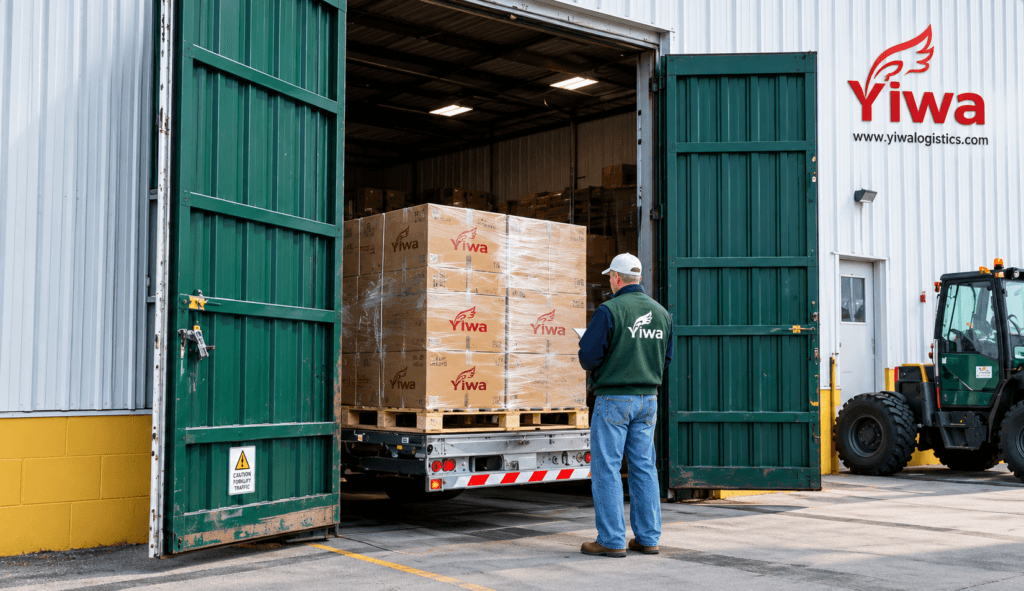
The price on the listing is never what you’ll really pay. Freight, insurance, duties, taxes, port charges, the truck to your shop, all of it adds up. Almost nobody brings this up when they talk about how to buy from alibaba, but it’s where your margin lives or dies. Then there’s paperwork. Customs wants the invoice, packing list, bill of lading or airway bill, and the correct HS code, and when those don’t match the cargo, the container just sits. A freight partner such as Yiwa Logistics can book the shipment and make sure the documents agree with each other.
7.What Yiwa Logistics Offers
Yiwa Logistics works as a sourcing and freight company between China and Pakistan. On the China side, the team can find products, verify suppliers, visit factories and inspect quality. After that, your goods travel by air freight or sea freight. It’s basically the part of importing that most beginners find hardest, handled by a team that focuses on this one route.
8.FAQs
1.What’s the easiest way to learn how to buy from Alibaba if you’ve never done it?
Go small. One product, three verified suppliers, three samples, then compare them side by side. Think of the first order as tuition.
2.Can I buy just a few pieces?
Sometimes. You’ll pay more per unit. A lot of suppliers will relax the MOQ for a first order if you tell them honestly there’s more coming.
3.Do I need an agent in China?
Not for a first sample order. When the money gets serious, somebody on the ground checking the factory is worth paying for, and Yiwa Logistics does exactly this for Pakistani buyers.
4.Who pays customs duty?
You do, since you’re the one importing. The rate depends on the product and its HS code, so check it before you agree on any price.
9.Conclusion
If there’s one thing to take away about how to buy from alibaba, it’s to slow down exactly where everyone else speeds up. Check the supplier. Test the sample. Write the order out. Add up the real cost of getting it home. Not exciting, I know, but it’s the difference between a profitable import and a pricey lesson. And if you’d rather have people on the China side doing the checking and shipping, product-sourcing is there for that while you get on with selling.